Home Renovations Kellyville

Looking for someone to entrust your home renovation to in Kellyville?

We’re Mitroteam Projects, a local Western Sydney building team with over 20 years of construction experience. We work across all of Kellyville’s housing eras on renovations, extensions, kitchen and bathroom upgrades, and full home transformations.

Book a Site Visit
Home Renovations in Kellyville

Home Renovations in Kellyville

Kellyville and Kellyville Ridge are separate suburbs under separate councils, and this causes genuine confusion for homeowners.

Kellyville falls under The Hills Shire Council. Kellyville Ridge, the suburb to the west of Windsor Road, is under Blacktown City Council. The suburb names sound like variations of the same place, but the planning frameworks, approval pathways, and development control plans are different.

If you’re in Kellyville, your renovation and extension approvals go through The Hills Shire. This is a well-resourced council with clear processes for residential development, but it has its own DCP requirements, its own CDC eligibility criteria, and its own expectations around design quality for streetscape-facing additions. Knowing this from the start, rather than discovering it when the paperwork arrives, saves time.

We confirm which council covers your property at the beginning of every project.

Book a Site Visit
Three Eras, Three Different Conversations

Three Eras, Three Different Conversations

Kellyville’s housing spans roughly sixty years of development, and the renovation brief shifts considerably depending on which era your home is from.

The Village and Older Homes (1960s–1980s)

The streets around Acres Road developed from the 1960s through to the 1980s, producing approximately 900 homes that predate the suburb’s major residential boom. These are older brick and fibro properties on well-established blocks with room to move.

Renovating in this part of Kellyville is a similar conversation to older suburbs like Seven Hills or Toongabbie: asbestos testing before demolition, waterproofing that needs replacing rather than assessing, plumbing and electrical that frequently needs upgrading to current standards, and layouts that haven’t been touched since they were built. The blocks are often generous, which makes rear extensions and second storey additions genuinely practical.

Established Estates (1990s–2000s)

The bulk of Kellyville’s residential housing was developed across the 1990s and early 2000s. These homes are modern in structure but at the point where the original specification has clearly aged. The kitchen from 1998. The bathroom tiles from 2003. The backyard that’s had the same setup since the family moved in.

This is Kellyville’s most common renovation scenario and it’s straightforward: no significant remediation concerns, sound structure, and a budget that goes almost entirely into improvements. Layout reconfiguration, kitchen and bathroom upgrades, and outdoor entertaining areas are the most frequent projects.

Newer Developments (2010s–Present)

Estates like Duncraig on Cattai Creek Drive and newer builds across the suburb are a different brief again: personalisation rather than renovation, and a quality level that reflects where these homes sit in the market. These are premium properties in a premium Hills Shire suburb, and the finishes and design quality need to match.

The Station Precinct Shift

The Station Precinct Shift

It’s worth knowing what’s happening around Kellyville Station, which opened on the Metro Northwest line in 2019. A 52-hectare Transport Oriented Development zone around the station is being fast-tracked for rezoning, with around 4,600 additional homes planned and significant government infrastructure investment underway.

This kind of development intensification around a metro station changes the character of the area closest to it. For homeowners in the established parts of Kellyville, away from the station precinct, this creates the same dynamic we see in other densifying Western Sydney suburbs: freestanding homes on their own land become rarer relative to the new medium-density stock, which tends to support their long-term value.

It’s not the same urgency as the developer pressure in suburbs like Pendle Hill. But it’s worth understanding that Kellyville is not a static suburb, and the parts of it that retain their semi-rural, established character are increasingly distinct from the newer and denser precincts emerging around the station.

What We Work On in Kellyville

What We Work On in Kellyville

Kitchen Renovations

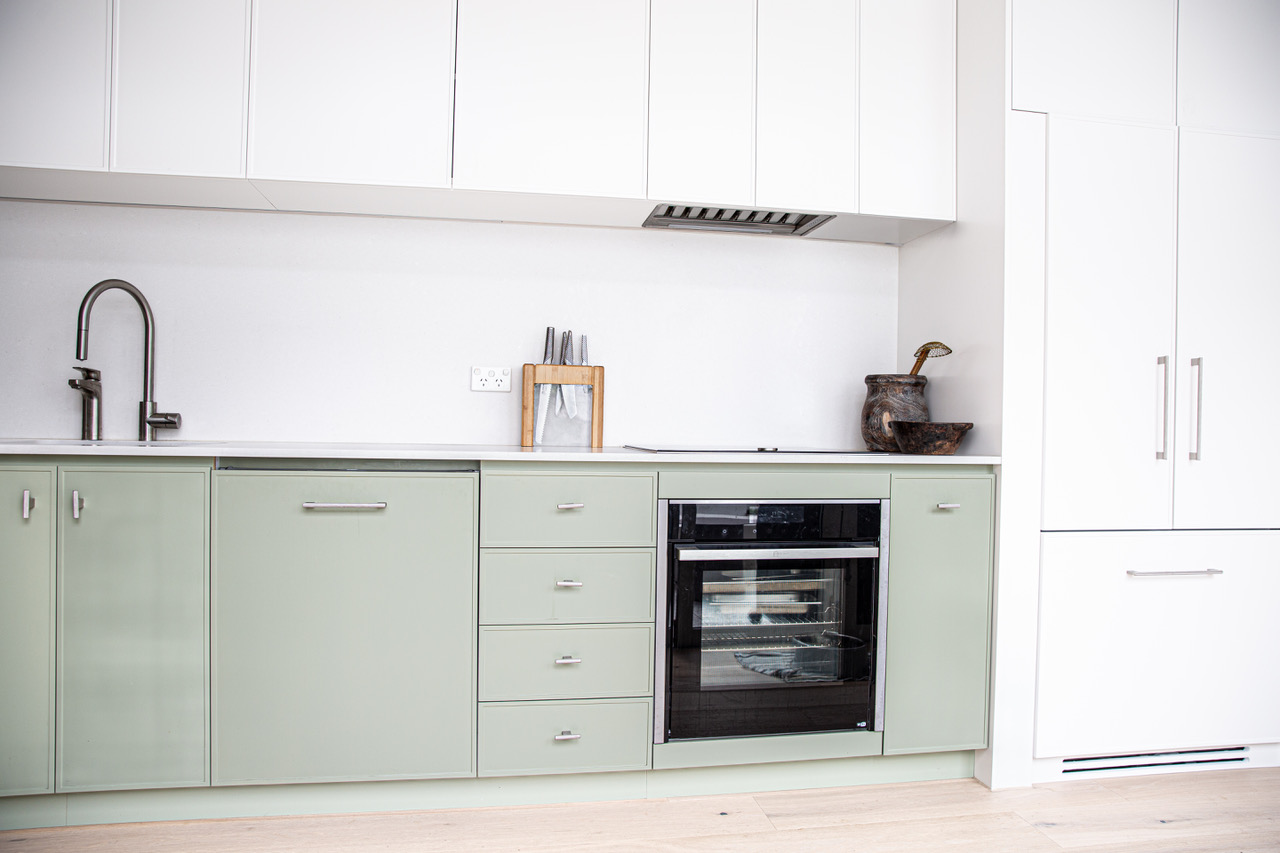
Kitchens across all three of Kellyville’s eras are common renovation projects. In older Village homes the kitchen often needs complete reconfiguration. In 1990s-2000s estates the original specification has dated but the structure is sound. In newer properties the brief is about quality and personalisation. We design and build kitchens that work for the household and the era of the home.

Home Extensions

Kellyville’s block sizes vary significantly across the suburb’s eras. Older Village homes tend to have generous blocks well suited to rear extensions. Newer estates can be more constrained. We assess each block individually and design extensions that make the most of what’s there, whether that’s a rear addition, a second storey, or both.

The semi-rural character of parts of Kellyville — the natural creek settings in Duncraig, the bushland edge near Fred Caterson Reserve — also opens up outdoor extension possibilities that don’t exist in more densely built suburbs. An alfresco that looks into bushland or over a creek reserve is a specific kind of extension opportunity worth thinking about carefully.

Open-Plan Conversions

Older Kellyville homes in The Village era typically have closed-off floor plans. Removing walls to connect the kitchen, dining, and living areas is one of the most impactful renovations we do in that part of the suburb. In 1990s homes, the same change is often available and worthwhile. We handle the structural engineering as part of the project.

Bathroom Renovations

Bathroom renovations vary significantly by era in Kellyville. In Village-era homes the waterproofing often needs full replacement and asbestos testing is required before work begins. In 1990s estates the brief is more about updating a dated specification. We handle both.

Outdoor Entertaining Areas

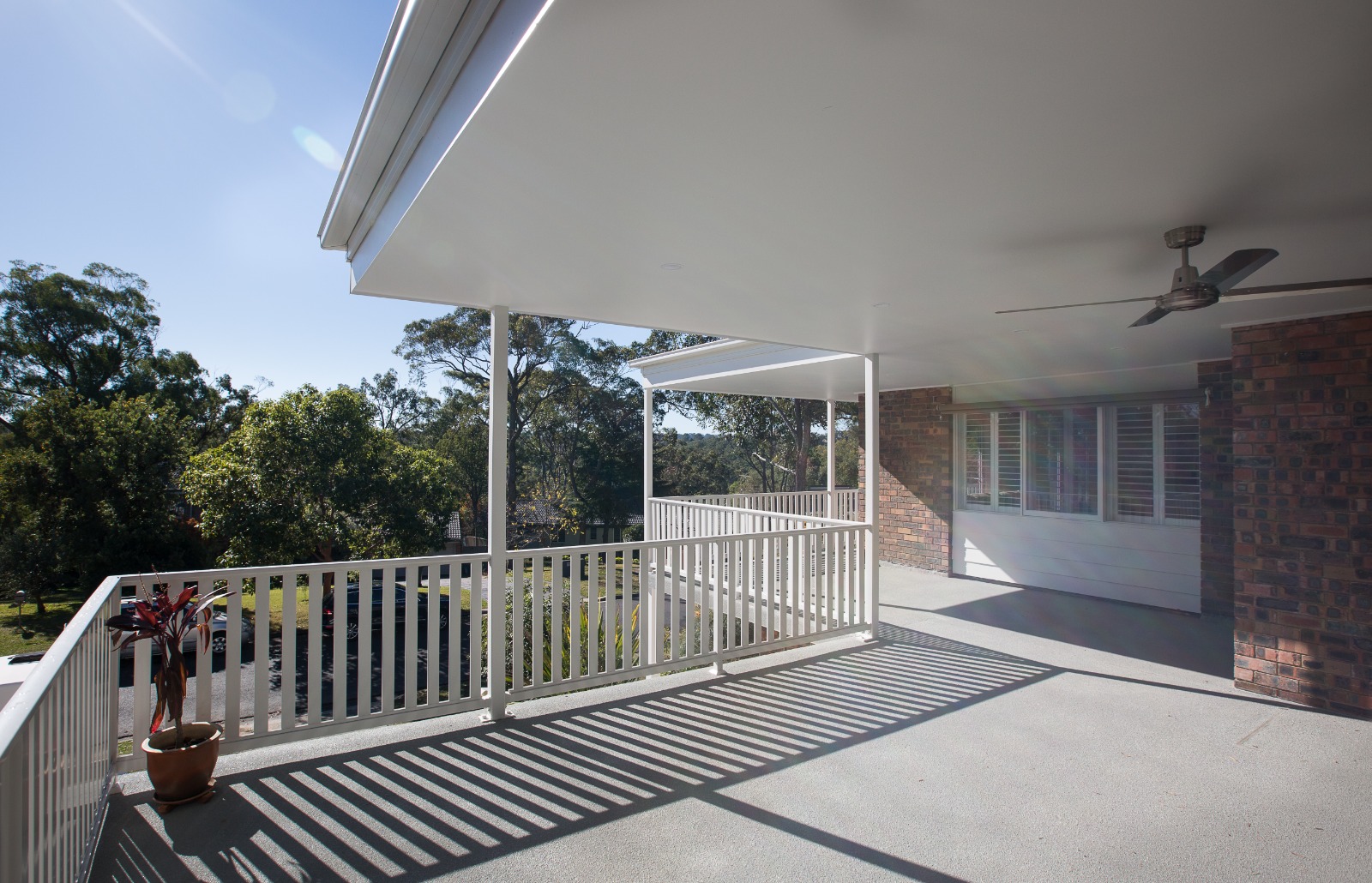
Kellyville’s natural setting, particularly in the older and newer estates near creeklines and reserves, makes outdoor entertaining areas genuinely worthwhile. A covered alfresco or deck that connects to the bush or overlooks natural greenery is a different proposition to a standard Western Sydney backyard, and we design with that setting in mind.

What to Plan For by Era

What to Plan For by Era

For Village and older homes (1960s–1980s):

  • Asbestos testing before any demolition
  • Waterproofing replacement in bathrooms
  • Plumbing and electrical upgrades to current standards
  • Structural engineering for open-plan conversions

For 1990s–2000s estates:

  • Builder-grade finishes ready for replacement
  • Waterproofing assessment (20-25 year membranes)
  • No asbestos concerns
  • Budget goes predominantly into improvements

For newer builds (2010s onwards):

  • Sound modern construction
  • Premium finish expectations
  • Hills Shire DCP quality requirements for extensions
  • Heritage awareness for properties near Kellyville’s older precincts
How Much Does a Home Renovation Cost in Kellyville?

How Much Does a Home Renovation Cost in Kellyville?

Here’s a general guide:

Renovation Type Typical Cost Range
Kitchen Renovation $25,000 to $60,000+
Bathroom Renovation $18,000 to $40,000+
Full Home Renovation $100,000 to $400,000+
Ground Floor Extension $150,000 to $350,000+
Second Storey Addition $250,000 to $500,000+

For older Village homes, remediation costs including asbestos removal, plumbing and electrical upgrades need to be factored in from the start. For 1990s and newer homes, most of the budget goes directly into improvements. We identify what applies to your specific property at the quoting stage and include everything clearly.

Renovation Approvals in Kellyville

Renovation Approvals in Kellyville

Kellyville falls under The Hills Shire Council. Minor internal renovations typically don’t require approval. Extensions, second storey additions, structural changes, and any work on heritage-affected properties will need a CDC or DA through The Hills Shire.

The Hills Shire DCP has specific requirements around design quality for additions — materials, proportions, and how new work relates to the existing dwelling. We prepare applications that address these requirements properly.

How Our Process Works

How Our Process Works

  1. Consultation. We come out, look at your property, and establish which era your home is from and what that means for the renovation brief.
  2. Council confirmation. We confirm The Hills Shire planning framework applies and check what approvals are needed.
  3. Design and planning. Layouts and construction plans developed for your specific home and its era.
  4. Approvals. CDC or DA applications prepared and submitted through The Hills Shire where required.
  5. Construction. Full build managed by our team including all trades.
  6. Handover. Walkthrough with you before the job is done.
Why Homeowners Choose Mitroteam Projects

Why Homeowners Choose Mitroteam Projects

  • Founded in 2012 by brothers Marin and Goran Mitrovic
  • Over 20 years of combined building experience
  • Fully licensed and insured builders
  • Experienced across all housing eras from mid-century to modern
  • Familiar with The Hills Shire Council planning framework
  • We manage all trades throughout the project
  • No hidden costs or revised quotes mid-project

FAQs

Kellyville is under The Hills Shire Council. Kellyville Ridge, the suburb to the west of Windsor Road, is under Blacktown City Council. They're separate suburbs with different planning frameworks and different approval processes.

Village-era homes from the 1960s to 1980s have mid-century renovation considerations: asbestos testing before demolition, waterproofing that likely needs full replacement, and plumbing and electrical that may need upgrading. The blocks in this area tend to be generous, which makes extensions practical. We handle all of this as part of the project.

Homes of that age are structurally sound with no asbestos concerns. The original finishes have dated and the waterproofing should be assessed when the bathroom is opened up. Most of the renovation budget goes into actual improvements, which tends to produce a very visible result.

That depends on where in the suburb you are. The TOD zone is focused on the 52-hectare area immediately around the station. If your property is in the established residential parts of Kellyville away from the station precinct, the main effect is indirect: as medium-density housing increases around the station, freestanding homes elsewhere in the suburb become more distinctive.

Minor internal renovations generally don't. Extensions, structural changes, and second storey additions need a CDC or DA through The Hills Shire. The Hills DCP has specific quality requirements for additions, which we address in the application.

Yes. We're experienced with mid-century housing across Western Sydney and comfortable with the asbestos, waterproofing, and structural considerations that come with it.

A kitchen or bathroom typically takes a few weeks. A full renovation or extension can take several months. We give you a realistic timeline at the quoting stage.

Contact Us Today!

The renovation conversation in Kellyville depends on when your home was built and where in the suburb it sits. We’ll come out, look at the property, and tell you honestly what’s involved, whether that’s a straightforward improvement project or something that needs more careful planning first.

We work across Kellyville and surrounding suburbs, including Kellyville Ridge, Bella Vista, The Ponds, North Rocks, and Parramatta. Free quote, no obligation.

Schedule A Consultation