Home Renovations North Ryde

Most of the houses we renovate in North Ryde went up for the same reason.

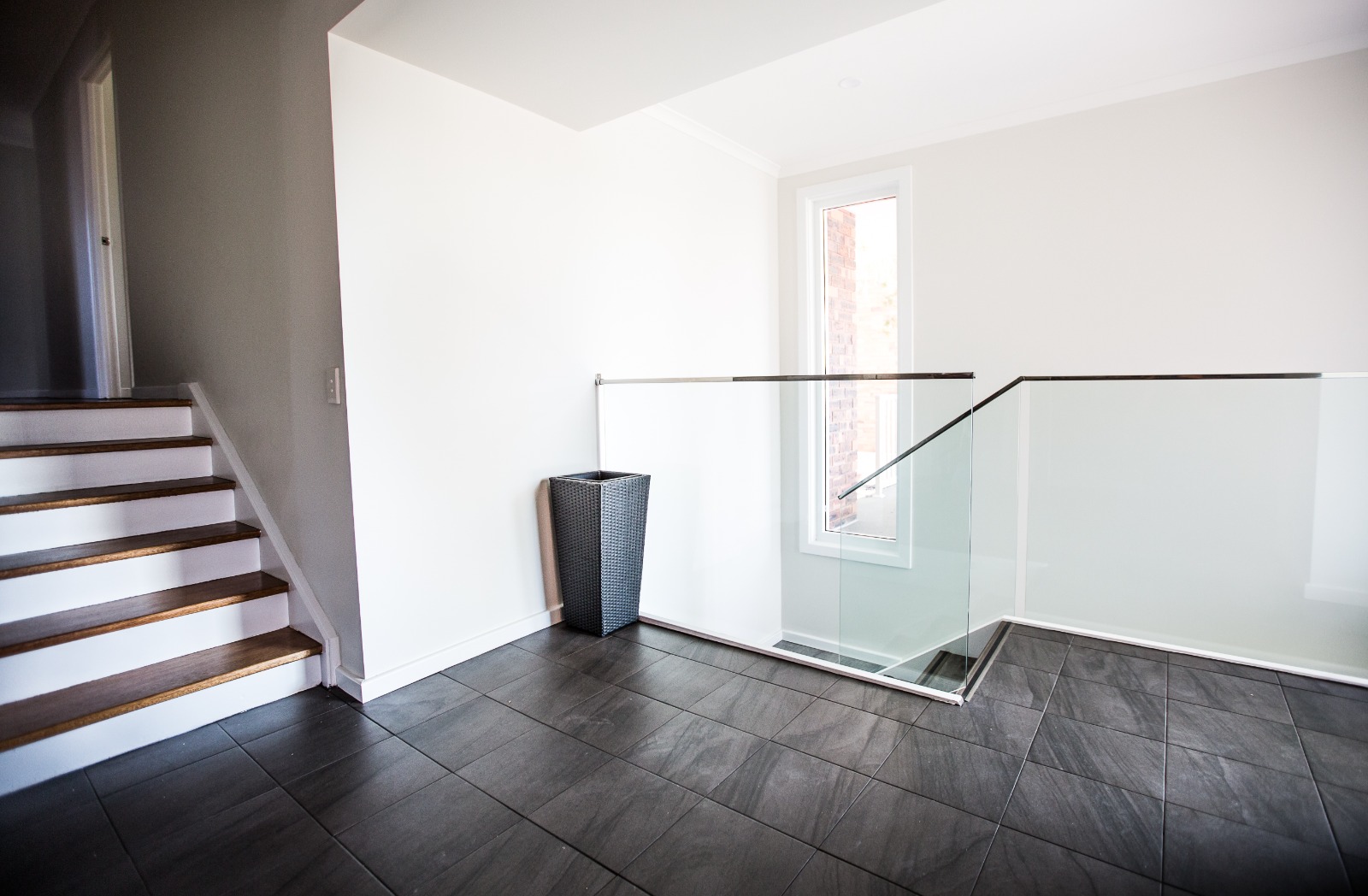
In the mid 1960s the North Ryde industrial area and Macquarie University were established here more or less together, deliberately modelled on the research and industry precinct around Stanford in California. People came for those jobs. They built brick and tile houses on big blocks, and a lot of those houses are still standing, still structurally sound, and almost entirely wrong for the way anyone lives now.

That is most of our work here. Not rescuing a broken house. Rearranging a good one.

We’re Mitroteam Projects. Marin and Goran Mitrovic, two brothers, better part of twenty years on the tools between us. We’ll come and look at the house before you commit to anything, and if the answer is that you should spend less than you were planning to, we’ll say that.

Book a Site Visit

Is home renovations in North Ryde for you?

Nearly every North Ryde job starts here, so here it is plainly.

Option Usually suits What to watch for
Renovate The structure is sound and the problem is the layout or the finishes Asbestos, tired wiring, failed waterproofing
Extend or add a storey You like the street and the block, but the house is too small Height, setbacks, landscaped area, and whether the existing footings can take it
Knock down and rebuild The house is genuinely past saving, or you want something with nothing in common with what’s there Highest cost, longest timeline, full approval process, and living somewhere else for the duration

The honest version: on a block worth what North Ryde blocks are worth, the land is doing most of the earning. Spending $600,000 to rebuild a house on it is sometimes the right call and often isn’t.

What usually tips it is the floor plan, not the condition. If the rooms are in roughly the right places and you just need them bigger and better connected, renovating wins on cost and on time. If the house is a warren of small rooms facing the wrong way and the sun never gets in, no amount of new kitchen fixes that, and an extension or a rebuild is the real answer.

What It Actually Costs

What It Actually Costs

A word on the numbers below. These are the ranges we use across Sydney jobs, not North Ryde specific figures, and we’d rather say that than pretend we’ve built a statistical model of one suburb.

  • Kitchen renovation: $25,000 to $60,000 and up
  • Bathroom renovation: $18,000 to $40,000 and up
  • Full home renovation: $100,000 to $400,000 and up
  • Ground floor extension: $150,000 to $350,000 and up
  • Second storey addition: $250,000 to $500,000 and up

Where North Ryde jobs differ is the older stock. Anything built before the late 1980s can bring asbestos testing and removal into the budget, along with rewiring and replumbing that nobody planned for. Blocks that fall away toward the Lane Cove River side can add drainage and engineering on top.

The number that moves most is structural. Taking out a load bearing wall means an engineer, a beam and usually a pier or two, and it can add $8,000 to $15,000 before you’ve chosen a single tile. Find that out at the quote, not in week three.
Kitchens, Bathrooms and the Room Nobody Thinks About

Kitchens, Bathrooms and the Room Nobody Thinks About

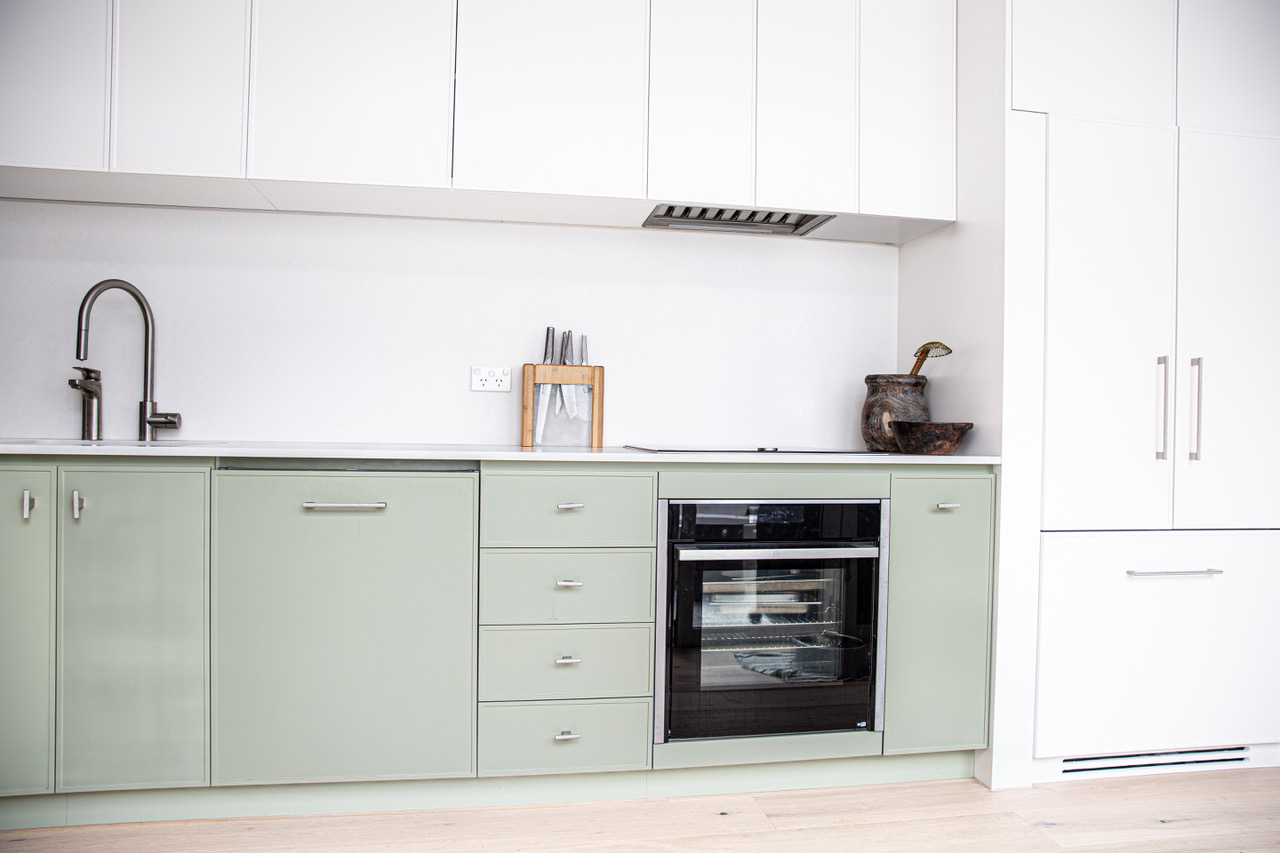
In a 1960s or 70s North Ryde house the kitchen is almost always a separate room at the back, often with a servery hole cut through to the dining room by a previous owner.

Kitchens

The first question is nearly always whether the wall between the kitchen and the living room can come out. Sometimes it can’t, and there’s a better answer than people expect: widening the opening to two and a half metres instead of removing the wall entirely keeps the beam small, keeps the cost down, and gets you ninety per cent of the feeling of an open plan.

Bathrooms

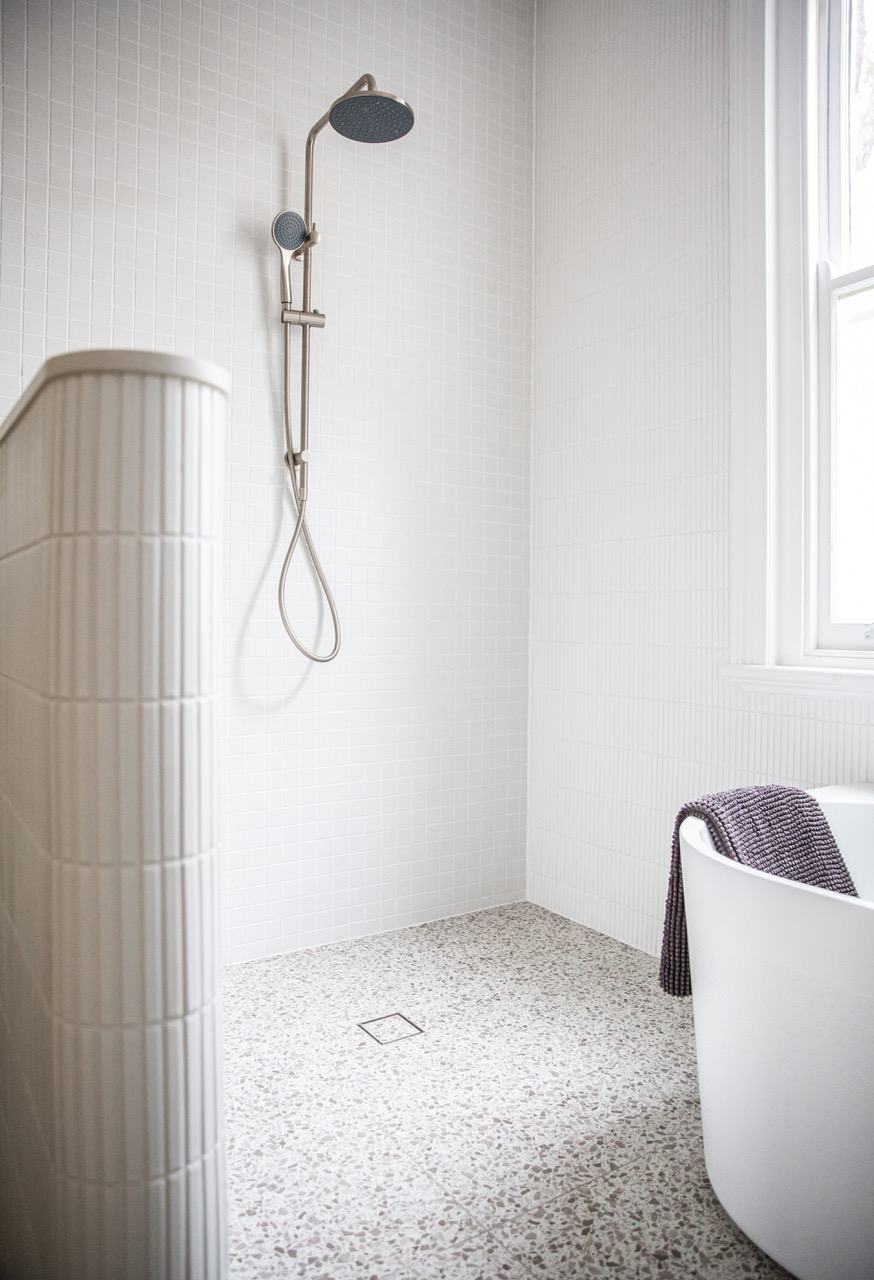
Older bathrooms hide the most. Waterproofing membranes that cracked years ago, shower bases that have been quietly soaking the floor framing, and in pre-1990 houses, sheeting or floor lining that may contain asbestos. We test before demolition, not after.

Laundries

The room nobody budgets for and everybody is pleased about afterwards. It’s also the cheapest thing on this page, because the plumber is already on site for the bathroom. If you’re doing one, do the other.

Extensions and Second Storeys

Extensions and Second Storeys

If the house is in the right place and the wrong size, adding to it usually beats moving. Stamp duty on the next house in this suburb will be north of $100,000 before you’ve paid an agent, and that money buys a lot of extension.

Out the back is the simpler build but it costs you garden. Up is the harder build, keeps the yard, and asks a great deal more of what’s already there. Before anyone draws a layout, an engineer looks at the footings, the walls and sometimes the roof framing, because 1960s footings were not designed with a second storey in mind and some of them will take one and some of them won’t.

What you can build is decided by Ryde Council, not by us. Building height, boundary setbacks and how much of the block has to stay landscaped all sit in the Ryde Local Environmental Plan 2014 and the Development Control Plan 2014.

One thing we’ve learned the hard way: talk to the neighbours before a second storey goes anywhere near council. Knock on the door, show them the sketch, let them say their piece while it’s still a sketch. It costs nothing and it has saved more projects than any other single thing we do.

Approvals Through Ryde Council

Approvals Through Ryde Council

North Ryde sits in the City of Ryde. Internal work like a kitchen, bathroom or laundry often needs no approval at all. Anything touching structure, the outside of the house, or heritage will.

Extensions and second storeys go one of two ways.

A Complying Development Certificate is the fast path, but it is pass or fail. The design has to meet every requirement in the state code with nothing left over, and a private certifier can sign it.

A Development Application is slower, more flexible and the neighbours get notified. If your plans break a control by even a small margin, this is the path, and you should budget time for it.

Which one you can use depends on your lot, not on your plans.

Then there’s heritage, which catches people out. The rules for heritage items and conservation areas sit in Clause 5.10 of the Ryde LEP 2014, and being near a listed item can affect you even if your own house isn’t listed. Council has added items and looked at new conservation areas in recent years, so anything you were told five years ago may be out of date. Check your address against council’s current heritage maps before you fall in love with a design.

Before You Hire Anyone

Before You Hire Anyone

Six questions. Ask us, ask whoever else you’re getting a price from, and be suspicious of anyone who finds them annoying.

  1. What’s your licence number? Ours is 305670C. Any NSW builder can be looked up on the Fair Trading website in about thirty seconds, and you should.
  2. For work over $20,000, can I see the home warranty insurance certificate before you start?
  3. Is the quote itemised, with the allowances for tiles, tapware and appliances written down as numbers?
  4. Who is on site day to day, and are they yours or subcontracted?
  5. When the scope changes, does it go in writing before the work happens or after?
  6. Can I speak to someone whose house you finished two years ago, not two months ago?

That last one matters more than it looks. Anyone can hand you a happy client from last month. The two year old job tells you whether the waterproofing held.

How the Job Runs

How the Job Runs

Six questions. Ask us, ask whoever else you’re getting a price from, and be suspicious of anyone who finds them annoying.

  1. Site visit. We look at the house, the block and what you’re actually trying to fix. An hour, give or take.
  2. Quote and plan. An itemised quote, a rough layout, and a straight answer on which approval path applies. A week or two.
  3. Approvals. Only if needed, through City of Ryde. Timing depends entirely on which path you’re on.
  4. Build. A bathroom runs about three to four weeks, a kitchen four to six, an extension several months.
  5. Handover. We walk through it with you and write down anything that needs touching up. Same day.

You deal with Marin or Goran the whole way through. There is no project manager to chase and no call centre.

Near North Ryde

Near North Ryde

We also work in Macquarie Park, Marsfield, Denistone East and East Ryde, all City of Ryde, so the same planning controls apply.

Worth knowing if your address confuses people: Macquarie Park was part of North Ryde until it was gazetted as a suburb in its own right on 5 February 1999, and it still shares the 2113 postcode. Plenty of businesses there still write North Ryde on the letterhead. If you’ve always thought of yourself as a North Ryde local, you’re not wrong.

Lane Cove is the exception. Different council, different controls, and we check which side of the line you’re on before quoting.

FAQs

Usually it comes down to the floor plan rather than the condition. If the rooms are roughly in the right places, renovating or extending is cheaper, faster and far easier to get approved. If the layout is fundamentally wrong, or there are real structural problems, a rebuild starts to make sense. We'll tell you which one yours is once we've walked through it.

Asbestos is the big one, in wall and ceiling sheeting, eaves and floor linings. Then wiring that predates the way we use power now, and galvanised pipework on its last legs. None of it is a disaster and all of it is cheaper to deal with when it's in the quote rather than discovered in week two.

Check your address against City of Ryde's current heritage maps. Council has added listed items in recent years, so older advice may be stale. Being near a listed item can affect you even if yours isn't one.

Usually not, if you're staying inside the existing walls and not touching structure. Move a wall, change the outside of the house, or touch anything heritage related, and you will.

For a bathroom or a kitchen, usually yes, with a temporary setup. For a second storey or a full internal rebuild, most families move out for at least part of it. We'll give you a straight answer once we know the scope, because the honest answer is sometimes no.

For a bathroom with no approvals needed, six to eight weeks including the quote and ordering. For an extension, think in terms of six to twelve months all up, with the approval path being the part that varies most.

Changing their mind after the tiling starts. Decide the layout and the fixtures before demolition, because moving a shower outlet on paper costs nothing and moving it after the screed has gone down costs real money.

Not Sure What to Do With the House?

You don’t need plans or a budget to call us. Most jobs start with someone saying they’re not sure what to do with the place.

Send the address and a few photos, or book a site visit. We’ll tell you what we’d do with it, what that costs roughly, and what Ryde Council will want to see.

Ready to go? Talk to us today!

Schedule A Consultation